Wir beraten Sie gerne!
Ihr Partner für individuelle Reisen nach Afrika: Protea Tours
Wenn Sie Fragen oder Änderungswünsche haben oder buchen möchten, rufen Sie uns an oder kontaktieren uns über unser Anfrageformular.

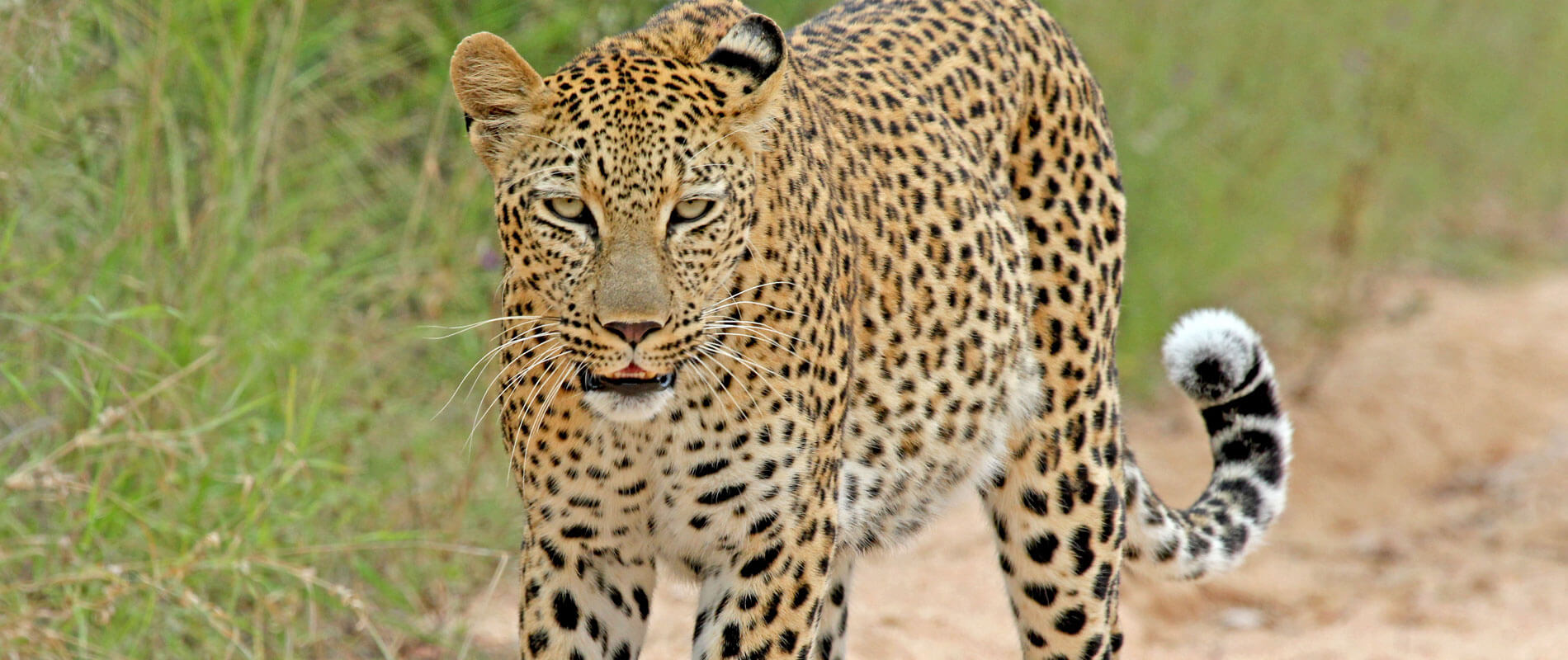
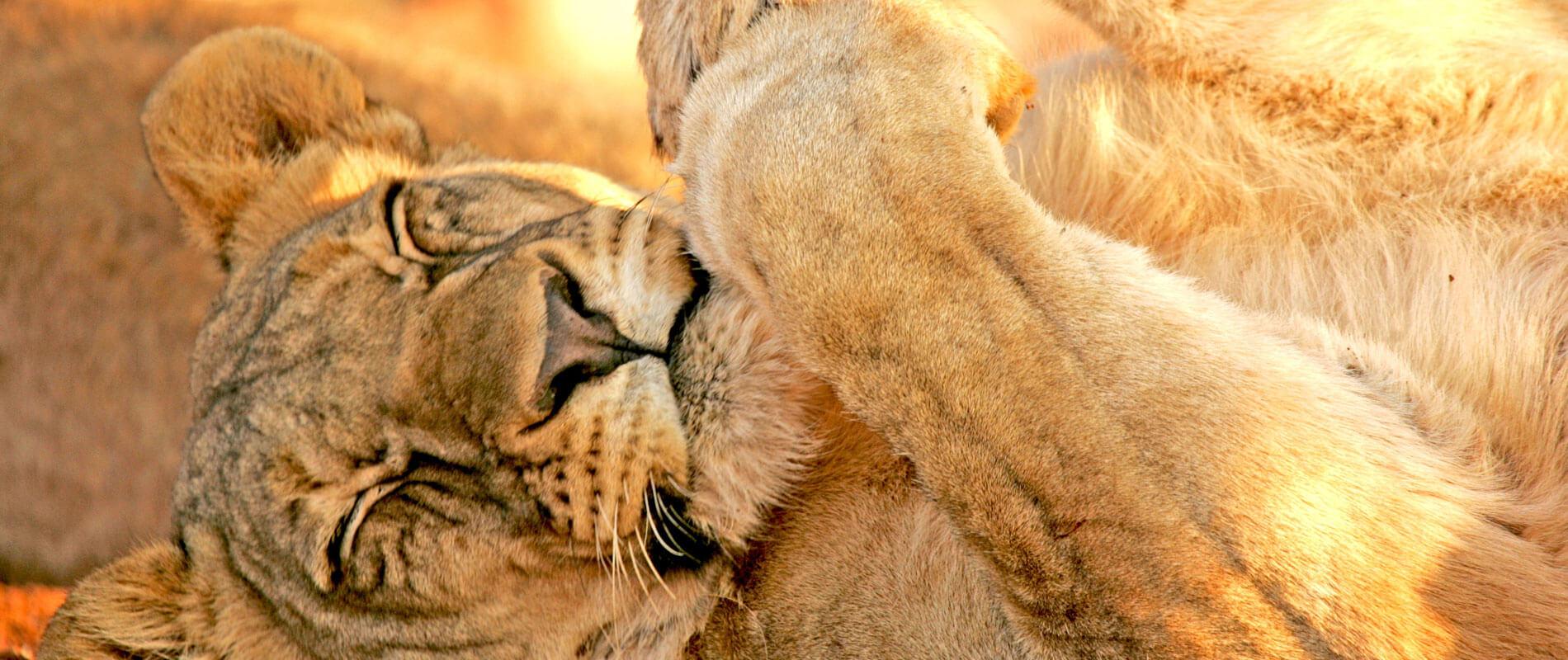
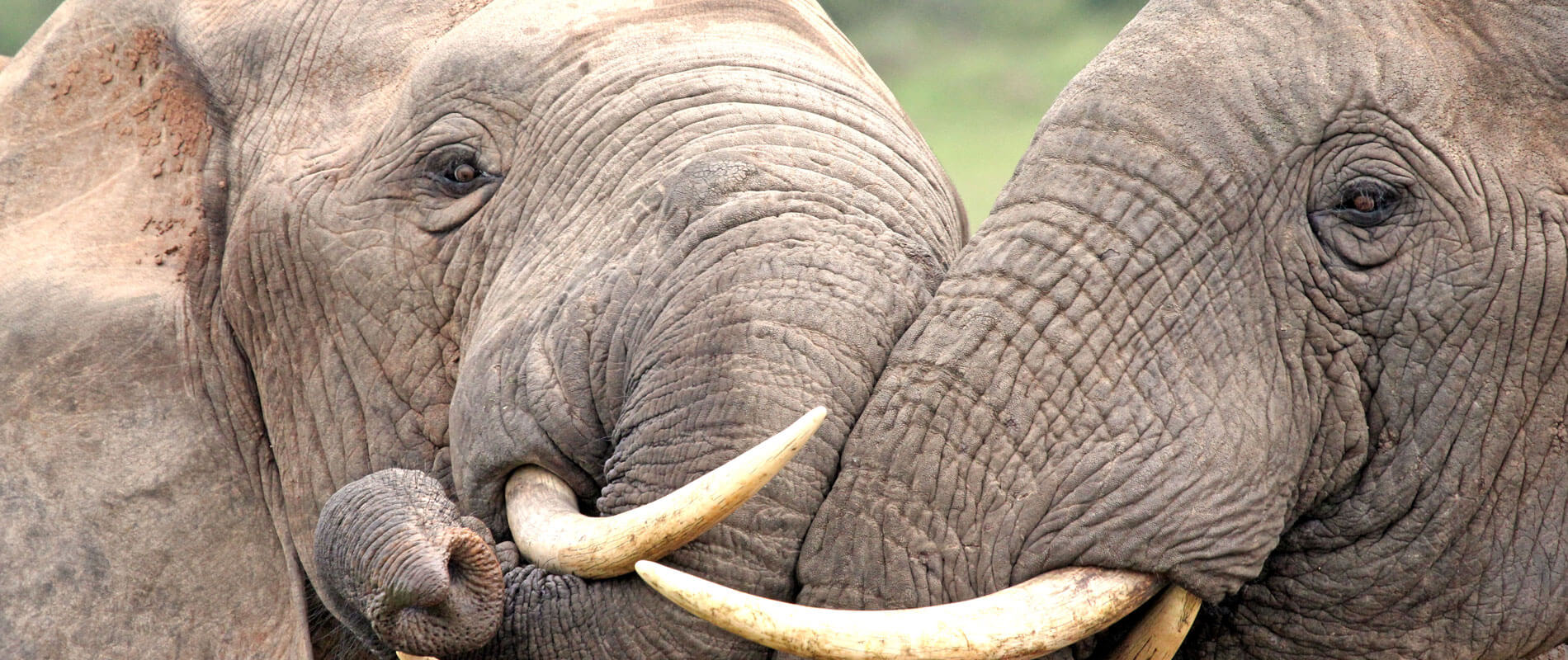
Sie wollen sich von der Passion ins Abenteuer entführen lassen? Dann lassen Sie sich von mir den bunten Kontinent Afrika zeigen!
Ich bin in Südafrika aufgewachsen und seit über 15 Jahren Spezialist für das südliche und östliche Afrika, bereise alle Zielgebiete regelmäßig und kenne natürlich auch die Lodges vor Ort persönlich. Gerne erarbeite ich Ihnen aus meinem reichen Erfahrungsschatz und Liebe zu diesem Kontinent eine auf Ihre Bedürfnisse abgestimmte Traumreise!
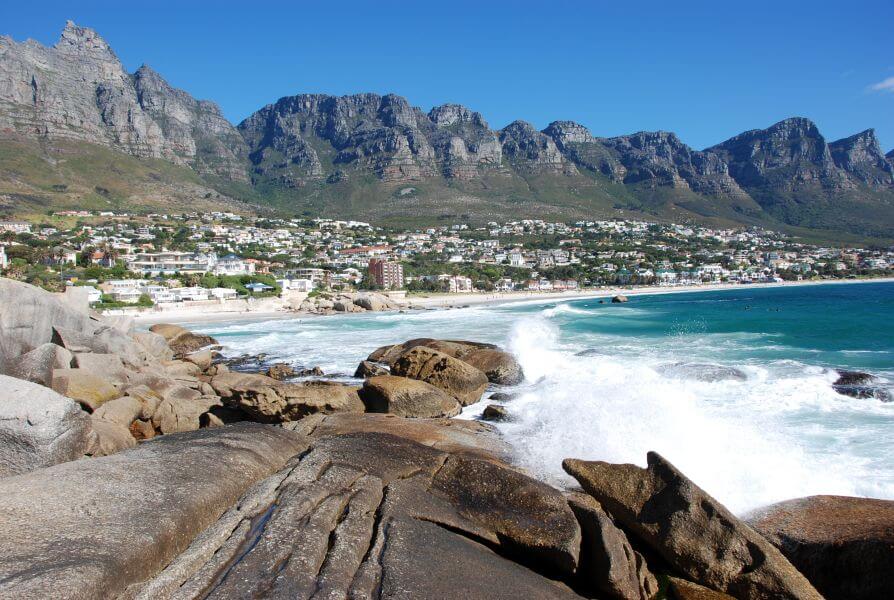
Reisen Sie ohne Jetlag in eine bunte, weite und wilde Welt!
Hier finden Sie faszinierende Tierwelten mit den Big Five, Natur pur, Abenteuer und Gastfreundschaft - dies alles entlang der idyllischen Garden Route, in den beeindruckenden Bergketten der Drakensberge, bei der Fahrt durch den roten Sand der Kalahari Wüste oder an den Felsküsten des Atlantiks bzw. den Sandstränden des warmen Indischen Ozeans.
Mehr erfahren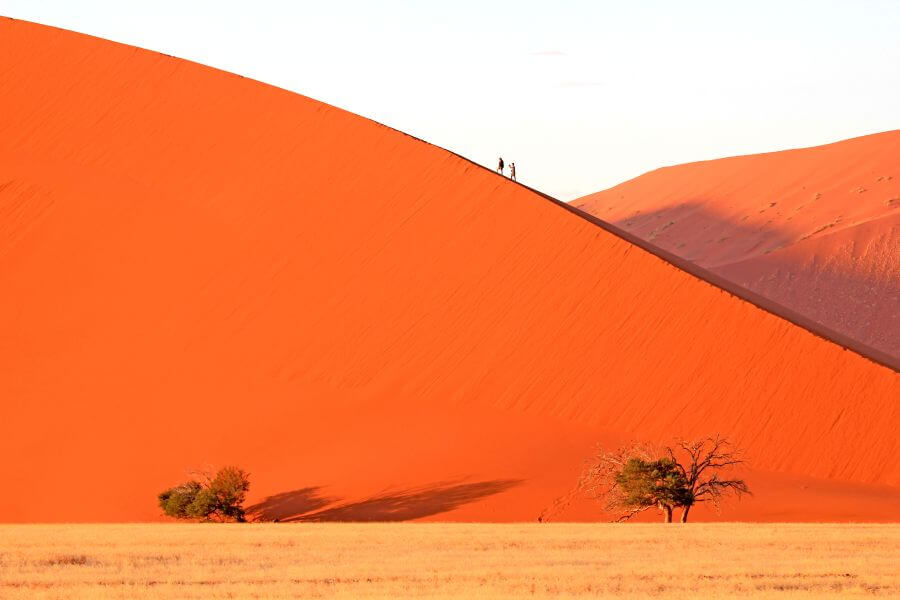
Fernab vom Massentourismus finden Sie in Namibia alles was das Herz begehrt!
Atemberaubende Landschaften mit den Top-Fotomotiven Afrikas, wenn nicht sogar der ganzen Welt: Die riesigen roten Dünen mit der Düne 45 des Sossusvlei, die bizarre Skelettküste, die Schluchten des Fishriver Canyons, den paradiesischen Caprivi-Streifen und dazu einen überwältigenden Artenreichtum der Tierwelt!
Mehr erfahren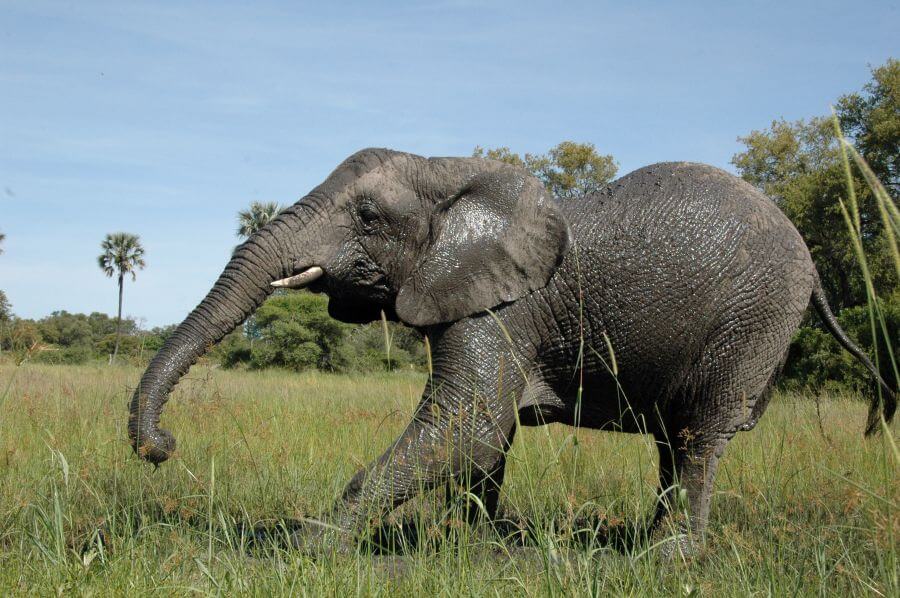
Elefanten, Elefanten, Elefanten!
Neben den knapp 130.000 Elefanten in Botswana – vor allem im Chobe Nationalpark - gehört das magische Okavango-Delta zu einem der absoluten Höhepunkte jeder Botswana-Safari. Tauchen Sie hier ein in die größte Oase dieser Welt! In Botswana bewahrheitet sich die Aussage: Qualität statt Quantität!
Mehr erfahren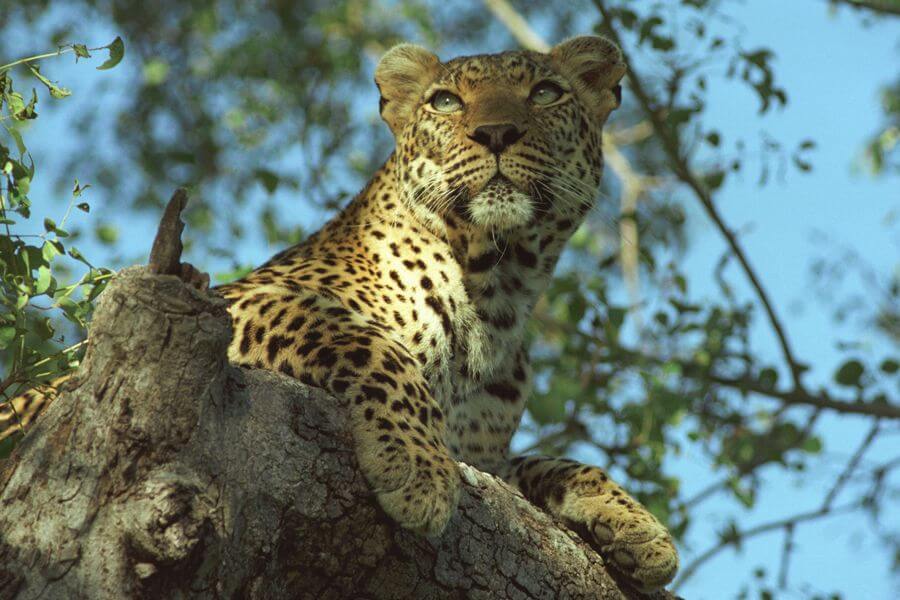
Hakuna Matata
„Alles ist in bester Ordnung“, das Lebenscredo in Tansania – auch wenn die Reise durch das Land noch so vielseitig, aufregend und oft unvorhersehbar ist. Es geht durch Regenwälder, Savannen und Berge – und immer ist der Weg das Ziel. Erleben Sie den Ngorongoro Krater, seit 1979 auf der UNESCO-Liste des Weltnaturerbes und lassen sich verzaubern durch den Anblick des Kilimanjaro, des „Daches Afrikas“.
Mehr erfahren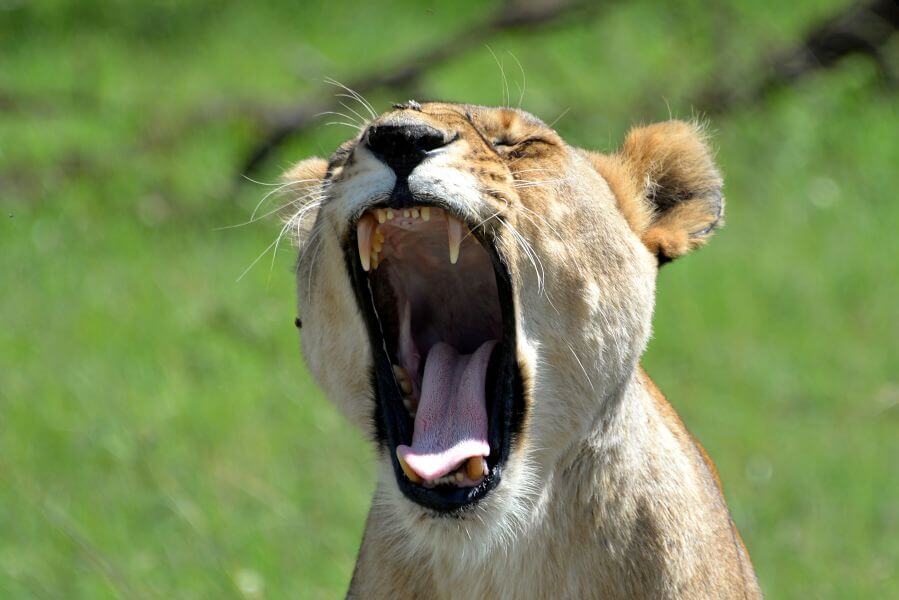
Die ganze Romantik Afrikas
Neben dem Großstadtflair von Nairobi mit seinen vielen Märkten und zahlreichen ethnischen Gruppen können Sie „das“ Naturereignis der Superlative live erleben: Die große Wanderung der Gnus von der Serengeti in die Masai Mara, die wiederum von vielen Raubkatzen gefolgt werden! Und wem das nicht reicht: Traumhafte Strände am indischen Ozean laden Sie ein, den Alltag vollständig zu vergessen.
Mehr erfahren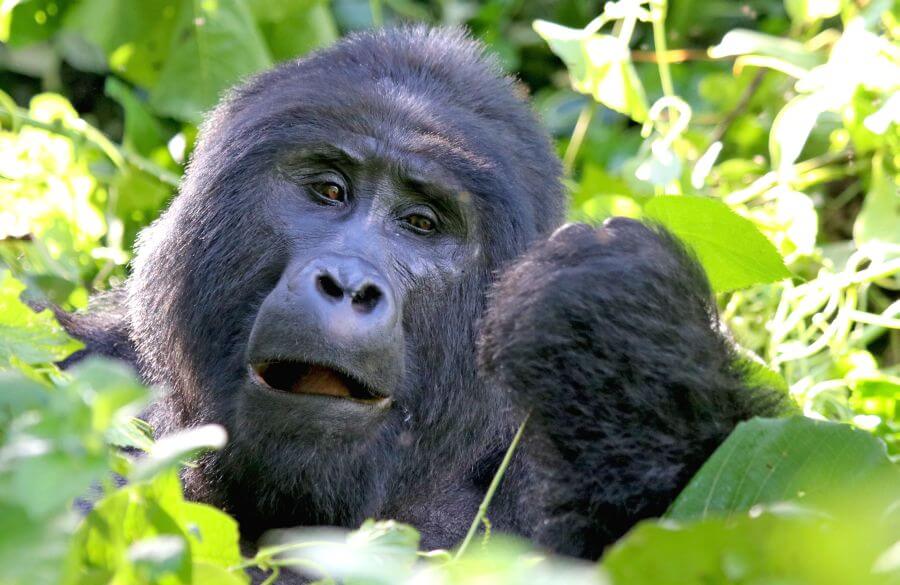
Die Perle Afrikas
Das Land im Herzen Ostafrikas, wo Sie nicht nur die Big 5, sondern die Big 7 finden! Der Besuch der sanften Riesen, der Berggorillas, und die Begegnung mit wildlebenden Schimpansen sind ein absolutes Muss einer jeden Reise nach Uganda. Massentourismus ist hier ein Fremdwort, so dass Sie auch die landschaftliche Schönheit bei angenehm gemäßigten tropischen Temperaturen in vollen Zügen genießen können.
Mehr erfahren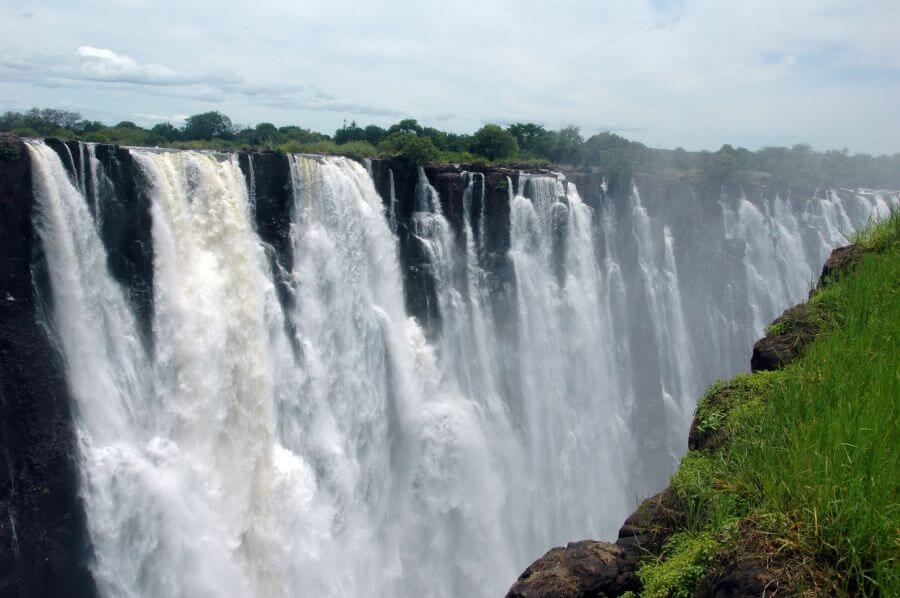
Geburtsstätte des atemberaubenden Busch-Walks
Da der Tourismus erst am Anfang seiner Entwicklung steht, derzeit noch Afrikas schönstes Geheimnis für Abenteurer. Entdecken Sie das Tal der Leoparden im Südluangwa-Nationalpark, erobern Sie den Sambesi mit dem Kanu und genießen Sie die spektakulären Viktoria-Wasserfälle.
Mehr erfahren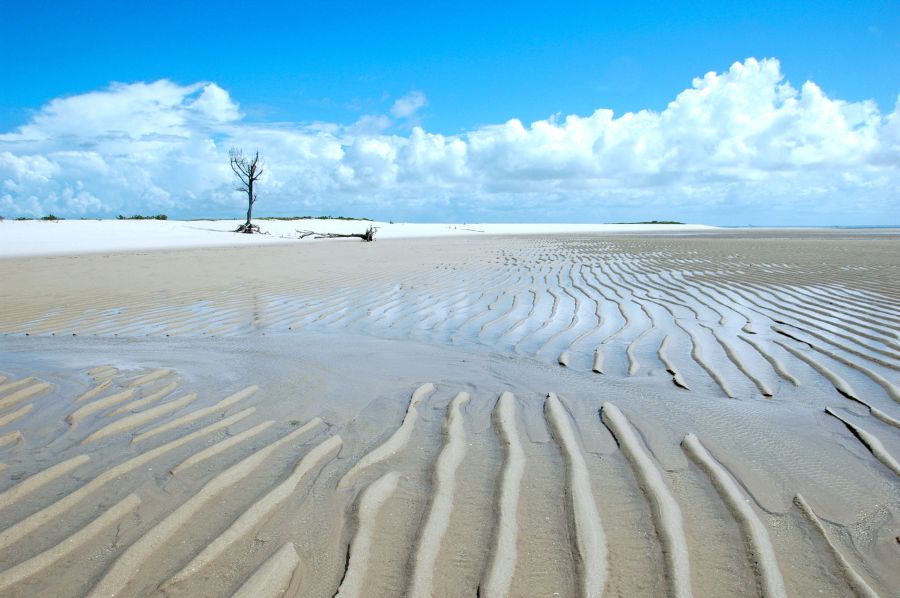
Das Paradies, wo der Pfeffer wächst
Auf der Gewürzinsel erwartet Sie das palmengesäumte Paradies Ostafrikas. Ein traumhafter weißer Sandstrand als Kontrast zum türkisfarbenen Meer. Daneben verzaubert das aus hellem Korallenkalkstein errichtete Unesco-Weltkulturerbe Stone Town.
Mehr erfahren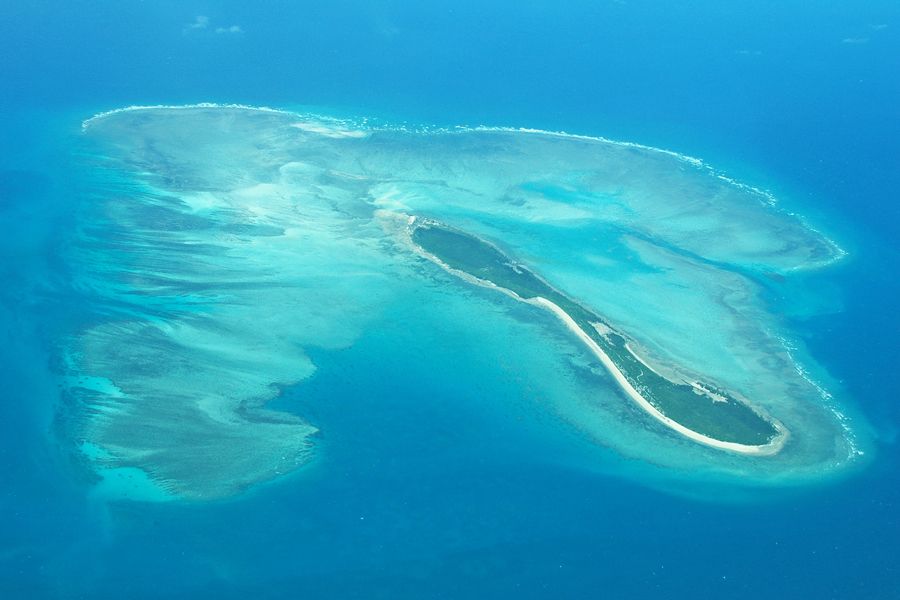
„Boas-vindas“ – „Willkommen“ im vergessenen Paradies
2800 km lange einsame Sandstrände entlang der Küste und Inseln mit Kokospalmen, nicht nur eine Idylle für Postkarten. Aber auch die afrikanische Kultur kommt auf den bunten und schrillen Märkten der größeren Städte wie Maputo und Tofo nicht zu kurz.
Mehr erfahren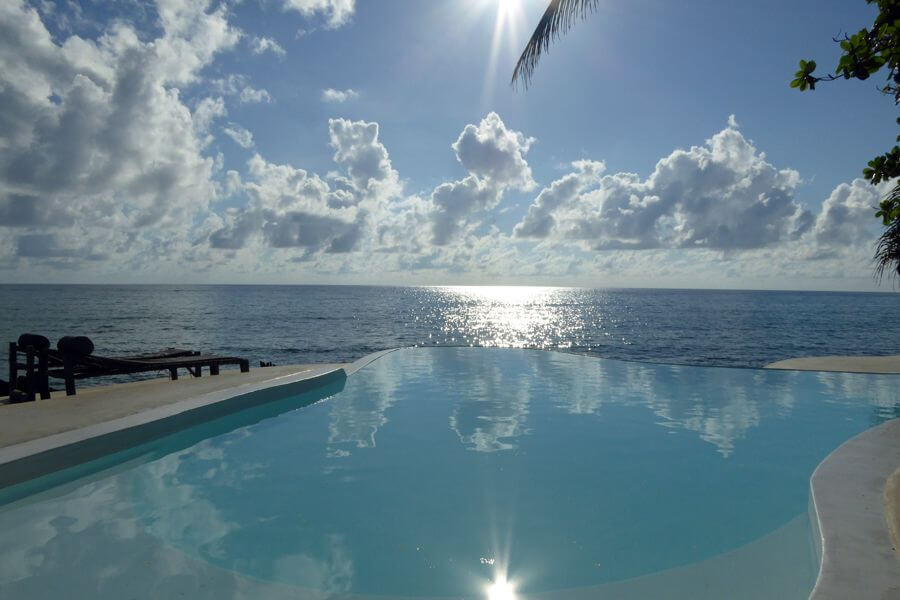
Einzigartiges Inselflair im Indischen Ozean
Ein von Korallenriffen eingerahmtes, in einer kristallklaren Lagune gelegenes Naturparadies mit türkisblauem Wasser, weißen Stränden und wogenden sattgrünen Palmen – wie aus dem Bilderbuch. Ein Traumziel nicht nur für Wassersportler jeder Art!
Mehr erfahren
Mehr als nur ein Strandurlaub
Der riesige Inselstaat ist eine Perle im Indischen Ozean. Er ist wegen seiner unterschiedlichen Landschaften wie tropische Regenwälder, Berge, Prärien, Reisfelder, palmengesäumte Strände und Riffe ein absoluter Geheimtipp, dazu ein Hot-Spot der Artenvielfalt: Lemuren, Chamäleons und Baobab-Alleen sind die Highlights von Flora und Fauna.
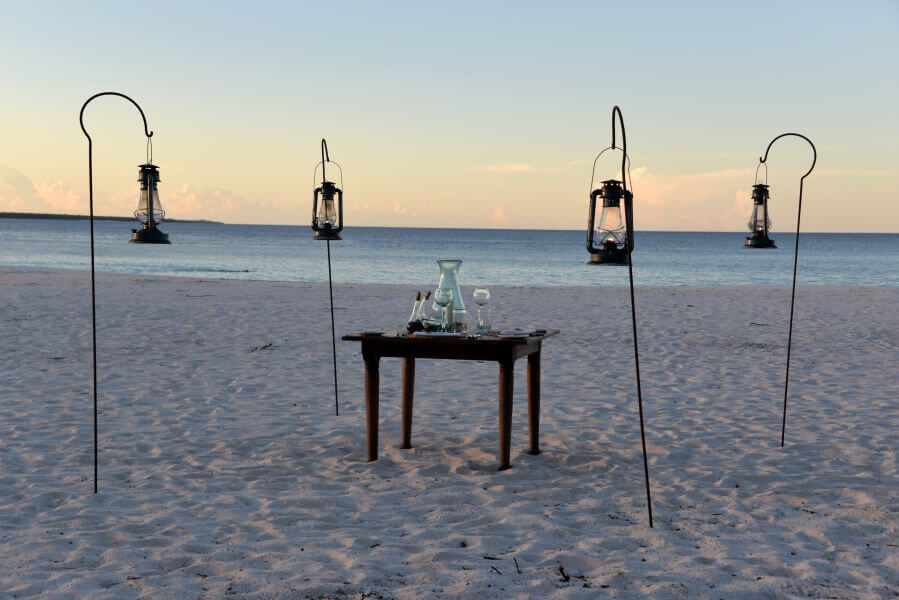
Hier werden idyllische Postkartenmotive real
Atemberaubend schöne weiße Korallenstrände und türkisblaues Meer verzaubern ebenso wie die herrliche Naturkulisse aus imposanten dunklen Granitfelsen und üppiger Vegetation – eine perfekte Location, nicht nur für die Flitterwochen. Entdecken Sie bei ganzjährig warmem Klima die nur hier wachsende Seychellenpalme, die berühmte Coco de Mer, und die vom Aussterben bedrohte Aldabra-Riesenschildkröte.
Das „warme Herz Afrikas“
Dieser relativ kleine Binnenstaat zwischen Mosambik, Tansania und Sambia ist ein verborgener Schatz in der Mitte Afrikas. Das Land wird geprägt von einem der tiefsten und klarsten Seen der Welt, dem bezaubernden und mystischen Malawi-See, eingerahmt von hohen Gebirgen und riesigen Plateaus. Besonders bekannt ist Malawi – Afrikas neueste Big 5 Destination - für die Herzlichkeit und Gastfreundschaft seiner Einwohner.
Das vielleicht vielfältigste Ziel im südlichen Afrika
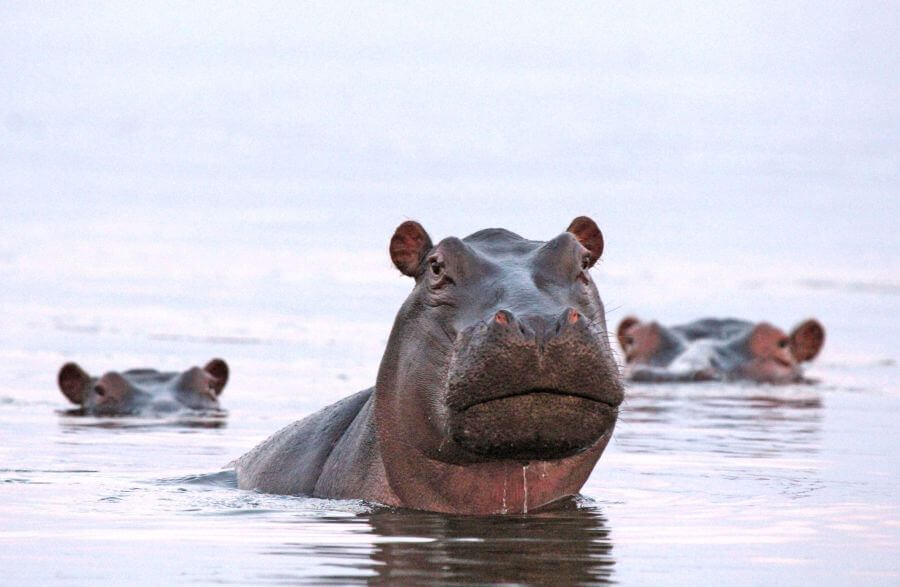
Der größte Teil des Landes besteht aus einem hügeligen Binnenhochland, das zur nordöstlichen Begrenzung des Kalaharibeckens gehört, über 1200m hoch. Die Lebensader des Landes aber ist der Sambesi. Flussabwärts findet sich die Welterbestätte Mana Pool Nationalpark, wo noch die seltenen weißen Nashörner zu bestaunen sind. Highlight jeder Reise aber sind die atemberaubenden Victoria-Wasserfälle mit ihrem spektakulären Sprühnebel.
Liebe Frau Kober,
vielen Dank für die Zusammenstellung der Reise.
Wir sind in der Tat mit zahlreichen unvergesslichen Eindrücken nach Deutschland zurückgekehrt.
Liebe Frau Kober,
vielen Dank, es war eine tolle Reise und wir haben viele unvergessliche Momente.
Liebe Frau Kober,
anbei, wie versprochen, unsere Rückmeldung zu unserer sehr schönen Botswana, Namibia und Viktoria Wasserfälle Reise.